Dosator vs Tamping Pin: Which Dosing Method Fits Your Capsule Filling Process?
Published December 4, 2025
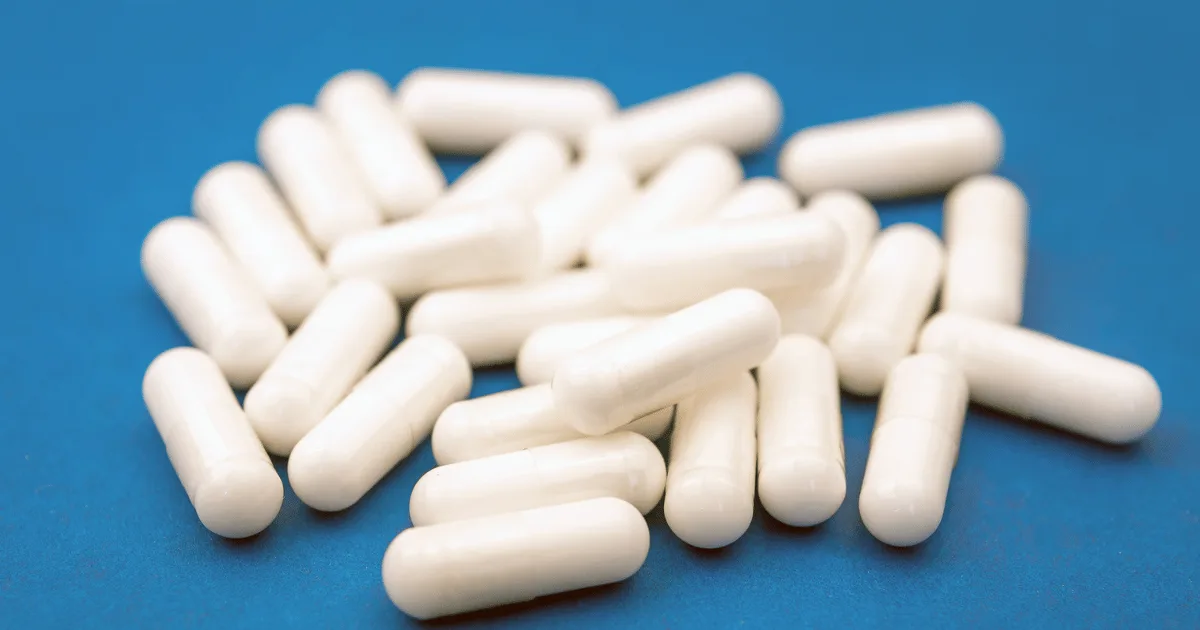
Whenever a pharmaceutical or nutraceutical manufacturer is in the market for a fully automatic capsule filling machine, they encounter a choice between two types of powder dispersion: tamping pin vs. dosator. While both technologies have existed for decades, the way they approach the physics of powder handling in capsule filling is very different. Understanding the tamping pin and dosator technologies is critical; if the wrong type is chosen for your product’s specific powder formulation, it can result in weight variation, rejected batches, and lower Overall Equipment Effectiveness (OEE).
Why Powder Behavior Determines the Right Dosing System
Powder behavior is the main factor that determines whether a dosator or tamping pin system will work better for your product. Even if two powders look similar, they can act very differently once they go through the capsule filling machine. Flow, particle size, or moisture content can affect how a slug forms, how stable it is, and capsule weight consistently.
When a Dosator System is the Right Choice

In the dosator method, a hollow tube dips into the powder bed and collects a set volume of powder. The tube then moves over the open capsule body and inserts the powder slug inside. Each cycle repeats the same motion, so the system depends on a steady powder bed and consistent powder flow.
Ideal Powder Characteristics for Dosator Systems
Powders with good flow and consistent behavior from batch to batch work best with dosator systems. These powders typically settle evenly in the bed and do not trap much air. Uniform particle size also helps the dosator collect a clean sample with each pass. When the powder moves smoothly and keeps a steady level, the one time compression step can create a stable slug.
Best Applications for Dosator Systems
Products that require very low fill weights work better with dosator systems. These include potent APIs, micro dosing, and dry powder inhaler formulations. Because these applications need strict control over the small volume, dosator systems are best suited because they can maintain tight tolerances at these low ranges (even though very low weights can be achieved based on the capsule size by adjusting the thickness of the dosing disc in a tamping system).
Operational Considerations for Dosator Systems
A dosator functions successfully on a consistent powder bed. If the level drops or rises during production, the system collects an incorrect volume. Operators also need to watch humidity and air behavior in the manufacturing environment because these can also affect how powder settles. Variations in powder density can also cause issues since the machine only compresses once. Keeping the powder in a steady state is critical to ensuring the system performs well.
When a Tamping Pin System is the Right Choice
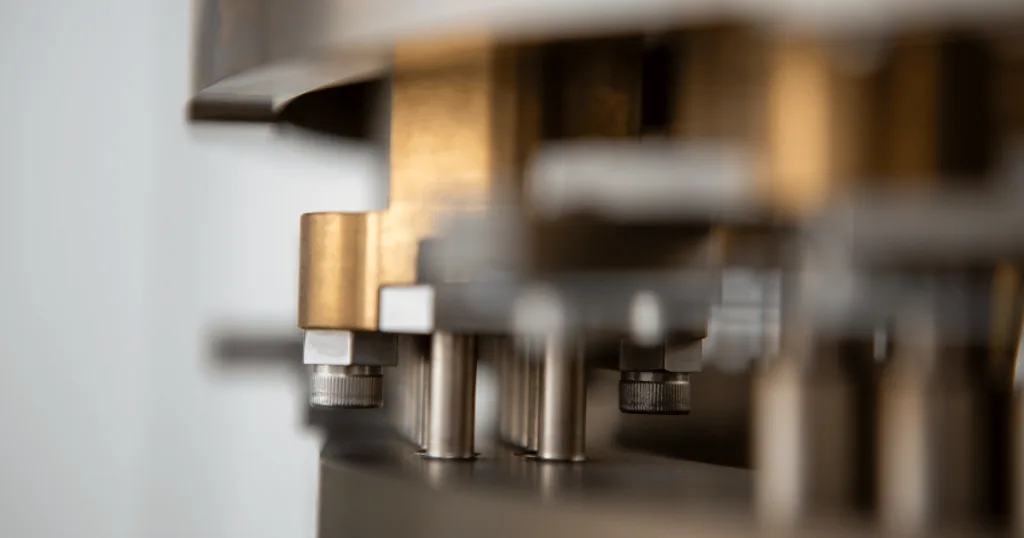
A tamping pin system forms the slug in small steps instead of one. Powder sits in a rotating dosing disc with multiple stations. At each station, a pin moves down into the powder and compresses it a little. These layers build on each other until the final slug is formed. The finished slug is then pushed into the capsule body. This multi-stage process helps the system handle powders that do not behave consistently.
Ideal Powder Characteristics for Tamping Pin Systems
Powders that are sticky, fluffy, or prone to holding air work better with tamping pin systems. Many nutraceutical powders fall into this category. Mixed particle sizes, plant-based materials, and herbal blends can all create density swings during production. The repeated compression steps help remove trapped air and level out these changes so that the slug stays stable.
Best Applications for Tamping Pin Systems
This system is widely used for standard to high fill weights where density control matters more than micro dosing. It is often the better choice for nutraceuticals, blends with variable flow, and formulations that shift during production. Because the powder is compressed several times, the system maintains more uniform fill weights even when the powder is not ideal.
Operational Considerations for Tamping Pin Systems
A tamping pin capsule filling machine is more forgiving when powder conditions change. The multi-stage compression reduces the risk of slug collapse and reduces weight variation. Operators usually see fewer issues with sticking or bridging. This makes the system a good fit for manufacturers who run many different formulations or who work with powders that behave unpredictably.
Dosator vs. Tamping Pin Comparison Summary
Here is a quick side-by-side view of how the two dosing systems differ. This table helps confirm which method aligns better with your formulation and production needs.
| Factor | Dosator System | Tamping Pin System |
|---|---|---|
| How the slug is formed | Single compression inside a hollow tube | Multi stage compression across several stations |
| Best fill weight range | Very low fill weights and micro dosing | Standard to high fill weights |
| Ideal powder behavior | Free flowing powders with uniform particle size | Sticky, fluffy, or variable powders that trap air |
| Consistency requirements | Works well when powder density stays stable | Handles density variation with more control |
| Sensitivity to powder changes | More sensitive due to one time compression | More forgiving because of repeated compression |
| Typical applications | Potent APIs, dry powder inhalers | Nutraceuticals, herbal blends, mixed formulations |
| Setup considerations | Needs steady powder bed and controlled environment | Needs clean pin movement and stable dosing disc |
| Risk factors | Slug collapse or weight drift if powder varies | Not suitable for very low fill weights |
Top Factors to Evaluate Before Choosing a Dosing System

Comparing capsule filling machines should go beyond looking at speed and price. The machine’s dosing system, the product’s powder behavior, and production goals all shape how well the machine performs. Examining these factors early can help avoid issues like weight variation, rejected capsules, and lower output.
Fill Weight Requirements
Many dosing issues come from using the wrong system for the required fill weight.
- Micro dose products work better with dosators because the volume can be defined with precision.
- Standard or higher fill weights perform well on tamping pin systems because repeated compression keeps the slug stable.
Matching fill weight to the dosing method reduces the risk of weight drift during high speed production.
Powder Flow and Compressibility
Powder flow is one of the clearest indicators of which system to choose.
- Free flowing powders usually handle single compression with less risk.
- Sticky or inconsistent powders often need multi-stage compression to reach a stable density.
Determining how the powder settles, flows, and compresses gives a better picture of how it will behave inside the machine.
Desired Production Output
Production goals also affect the choice.
- High output lines need a system that stays stable at speed.
- If OEE is a priority, the powder must move through the dosing stations without hesitation or variation.
- If multiple SKUs run on the same line, a more forgiving system may reduce changeover time and cut down on troubleshooting.
Changeover and Cleaning Needs
For manufacturers running several products, changeover and cleaning can take more time than the actual batch production.
- Dosators need the tube and piston assemblies kept clean to hold consistent volume.
- Tamping pin systems rely on clean dosing discs and smooth pin movement.
Importance of Testing with Your Actual Powder
No chart or spec sheet replaces actual powder trials. The same dosing system can perform differently depending on minor changes in flow, moisture, or granulation. Running tests with your actual product formulation shows how the powder behaves inside the dosing system and whether adjustments are needed. This step prevents costly surprises once the machine goes into production.
How to Match Your Powder with the Right Dosing System

Difficult powders behave in ways that make dosing more challenging, so the best system is the one that stays consistent when the powder does not. When the dosing system matches how the powder moves and compresses, capsule weights tend to stay more uniform and production runs with fewer stops. This is why real testing with your exact formulation remains the most reliable way to confirm performance. Once you know how the powder responds to each dosing method, the right capsule filling machine becomes clear.
If you are working with powders that fall into the difficult or inconsistent category, the next step is to look at capsule filling machines built to keep dosing stable under those conditions. The tamping pin method handles density changes, trapped air, and inconsistent flow with more control. The Index K120i uses a tamping pin dosing system designed to stay consistent with powders that do not always behave the same way from batch to batch. It offers steady slug formation, reliable weight control, and smooth operation at high speeds. If you want to see how your formulation performs on the K120i, you can request details from our team of experts today.